

What happens when a Democratic wave runs up against a strong Republican gerrymander? In the case of the Utah legislature, probably not much.
With about 50 days to go until the 2026 midterm elections, the environment looks favorable for Democrats. They’ve flipped roughly 30 state legislative seats since Donald Trump returned to office, and special elections in 2025 and 2026 have broken their way by an average of 17 points over the 2024 results. Democrats currently lead Republicans by 7 points on the generic congressional ballot, 50.5% to 43.2%. FiftyPlusOne's election forecast gives them a 96% chance of winning the U.S. House and a 62% chance of winning the Senate.
2026 has the potential to be a wave election for Democrats. In 2018, the last comparable wave year, Democrats picked up 41 seats in the U.S. House. In Utah, they flipped three seats in the state House and one in the state Senate that year — and Democrat Ben McAdams upset Republican incumbent Mia Love in Utah's 4th Congressional District.
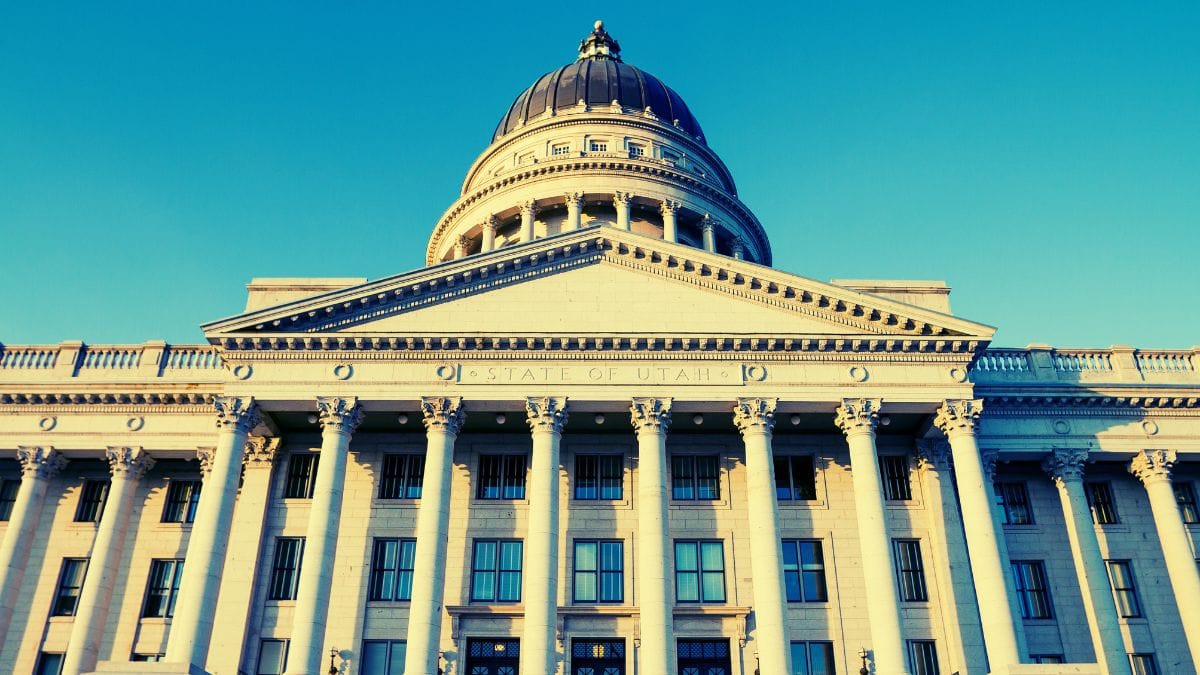
We rated all 75 Utah House districts. Here's which races actually matter in 2026.
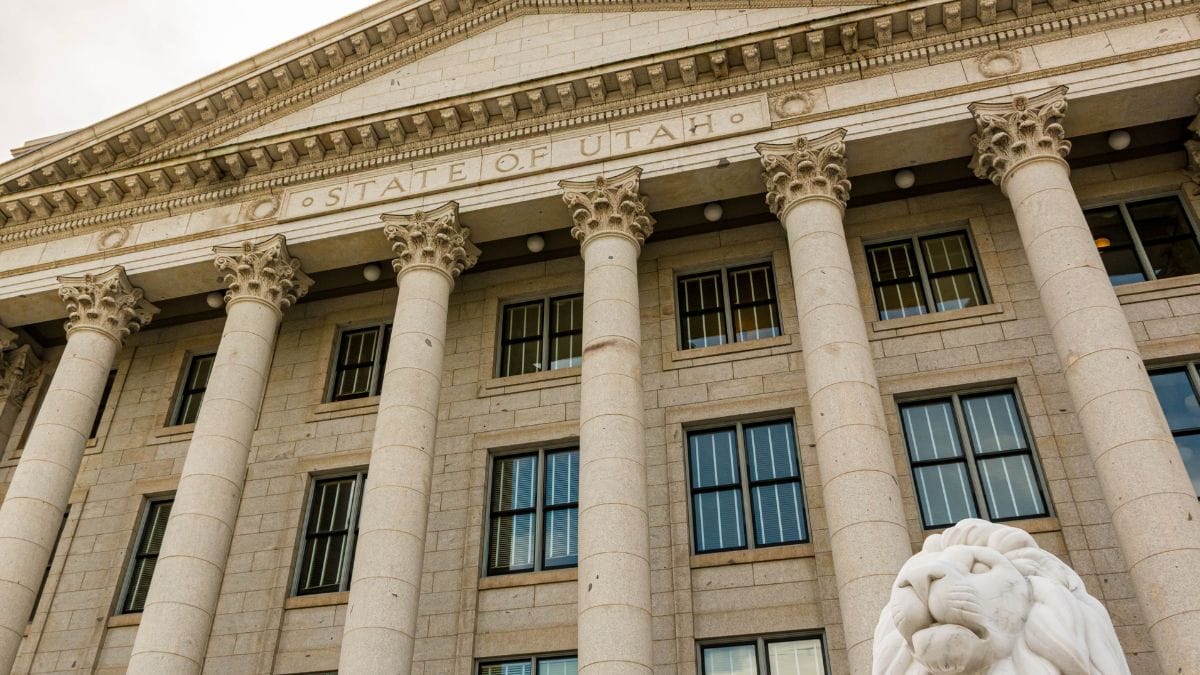
Which Utah Senate races could be competitive in 2026? Find out with our exclusive ratings.
What would that kind of environment mean for the state Legislature this time?
We modeled three scenarios, applying a Utah-specific Democratic advantage of 2, 4 and 6 points to every House and Senate seat on the 2026 ballot, to see which races would move, which would flip outright, and what it would take to threaten the Republican supermajority that currently holds 61 of the Legislature's 75 House seats.
Most competitive races in Utah don’t become genuinely dangerous for Republicans until the wave grows considerably larger than what national polling shows today.
Because the House and Senate maps lawmakers passed in 2021 are so heavily gerrymandered, a 7-point Democratic wave probably wouldn't change much in the Utah Legislature. But it could put a handful of usually safe GOP-held seats in play this November.
