
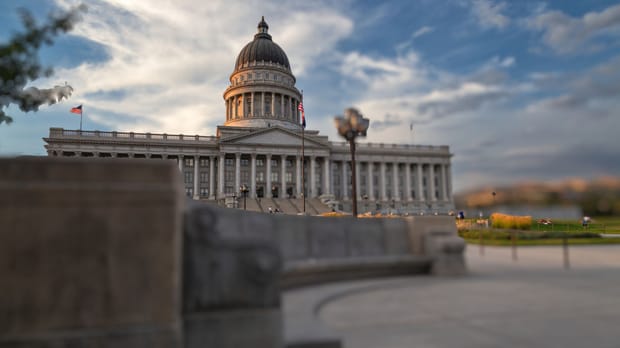
Utah’s annual lawmaking sprint lasts 45 days—one of the shortest in the nation. A new proposed constitutional amendment would swap that single session for three shorter sessions spread across the year.
HJR22, from Rep. Ryan Wilcox, R‑Ogden, would amend the Utah Constitution to change the legislative calendar. Instead of one January–March session, lawmakers would meet three times: a 15‑day “budget session” in February and two 15‑day “policy sessions” in May and September. Policy bills could still be taken up during the budget session, but only with a two‑thirds vote in each chamber.
Right now, the 45 days include weekends, so lawmakers are at the Capitol for roughly 33 working days. Under HJR22, weekends and holidays wouldn’t count, making each session three workweeks.
Special sessions called by the governor would still last up to 30 days. Lawmaker‑called special sessions would remain capped at 10 days, and spending in those sessions would remain limited to 1% of the prior year’s total appropriations.
The governor’s annual State of the State would move to the February budget session. Once a decade, redistricting would also land in that budget session following the census.
Because it’s a constitutional amendment, the change needs two‑thirds support in both the House and Senate before going to voters on the 2026 ballot.
Utah switched to a single 45‑day annual general session after voters approved a 1984 constitutional amendment (Proposition 2). Before then, lawmakers met for a 20‑day budget session in even years and a 60‑day general session in odd years. The shift was driven in part by legislators increasingly using the even‑year budget session to run substantive policy bills rather than stick to the budget.