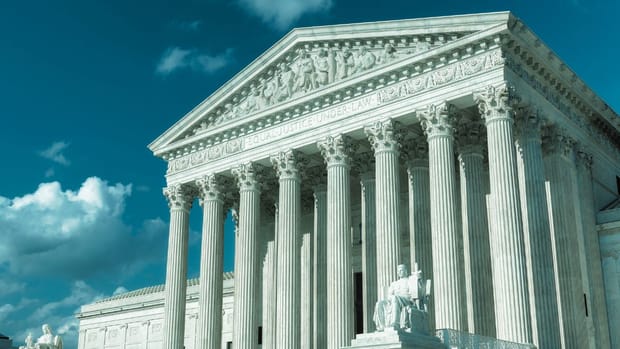
In an 8-1 decision on Tuesday morning, the U.S. Supreme Court struck down Colorado’s ban on so-called conversion therapy for minors—the practice that claims to change a child's sexual orientation or gender identity that major medical associations have long condemned as ineffective and harmful. Utah banned the practice in 2023.
Writing for the majority, Justice Neil Gorsuch said Colorado’s law violates the First Amendment because it "censors speech based on viewpoint," in this case talk therapy.
That distinction matters in Utah. Marina Lowe, policy director for Equality Utah, the group that helped negotiate Utah’s ban, said the ruling should have minimal impact on Utah’s rules because they don’t police viewpoints in the therapist's office.
“Equality Utah worked in collaboration with Republican lawmakers and other stakeholders to develop alternative language designed to balance the free speech rights of licensed therapists with the need to protect minors from harmful and discredited medical practices,” Lowe said in a statement.
Lowe added that because Utah created a “viewpoint neutral framework” instead of copying bans like Colorado’s, the state’s approach is “well-positioned to remain in force.”
Colorado’s law broadly banned “any practice or treatment” that aimed to change sexual orientation or gender identity, which the court framed as regulating a viewpoint in speech. Utah’s rule targets intent. If a licensed professional sets out to change a minor’s orientation or identity in either direction, that’s prohibited. If the conversation is neutral about identity, acceptance or coping, it’s allowed. In other words, Utah tries to prevent the harmful outcome without dictating what a therapist can think or say about it.

If you have a news tip that we should investigate, email us at tips@utahpolitics.news or send your tip through our secure online form.