
Phil Lyman is back, and he's gunning for Celeste Maloy in Utah's 3rd District
He’s baaaack—and this time he wants a seat in Congress. Former Rep. Phil Lyman, who’s still contesting his 2024 loss to Gov. Spencer Cox, jumped into the race for for Utah’s 3rd Congressional District on Thursday.
“I am running for Congress to restore transparency to our government. Utahns deserve to know exactly what is happening behind closed doors,” Lyman said in his announcement.
⏰ Tick Tock
Tomorow is the final day of the 2026 Utah Legislature (3/6/2026)
4 days - First day congressional candidates can file to run for the 2026 election. (3/9/2026)
12 days - Neighborhood caucus night. (3/17/2026)
37 days - Utah Forward Party nominating convention (4/11/2026)
52 days - Utah State Republican and Democratic State Party nominating conventions (4/25/2026)
111 days - Utah's 2026 primary election (6/23/2026)
243 days - 2026 midterm elections (11/3/2026)
978 days - 2028 presidential election (11/7/2028)
It’s easy to dismiss Lyman as a serious candidate. Since his narrow loss to Spencer Cox in the 2024 Utah Republican gubernatorial primary, Lyman has worked to cast doubt on Cox’s ballot qualification and the election itself—a crusade that plays well with the activist base that dominates Utah Republican conventions.
That matters because incumbent Rep. Celeste Maloy looks wobbly. She nearly got bounced at last year’s GOP convention when challenger Colby Jenkins pulled 57% of delegates, and she scraped by in the primary by all of 176 votes.
Maloy isn’t collecting signatures to guarantee a ballot spot, so her fate again is up to convention delegates. Lyman is wildly popular among that crowd, which gives him a legitimate path to victory.
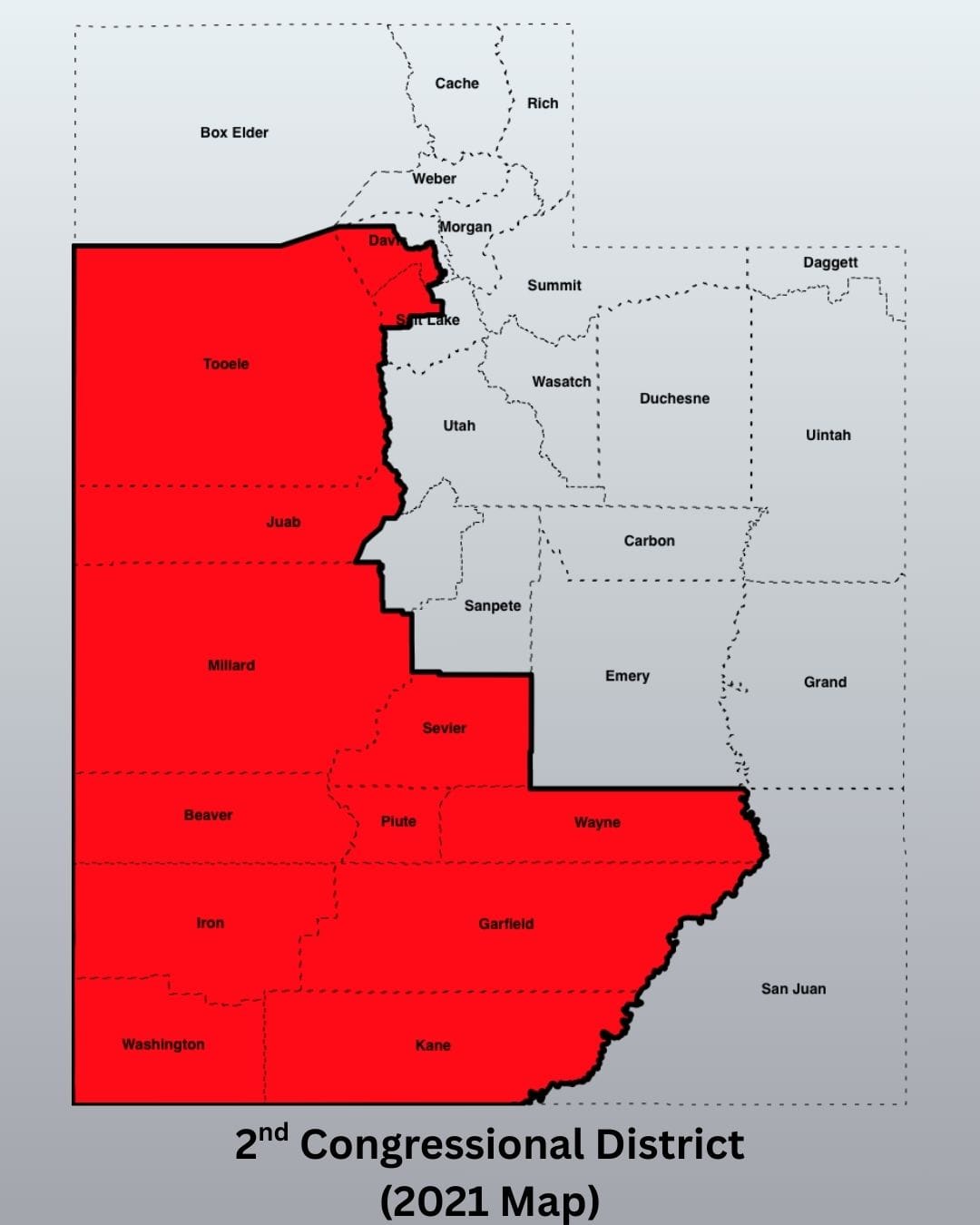
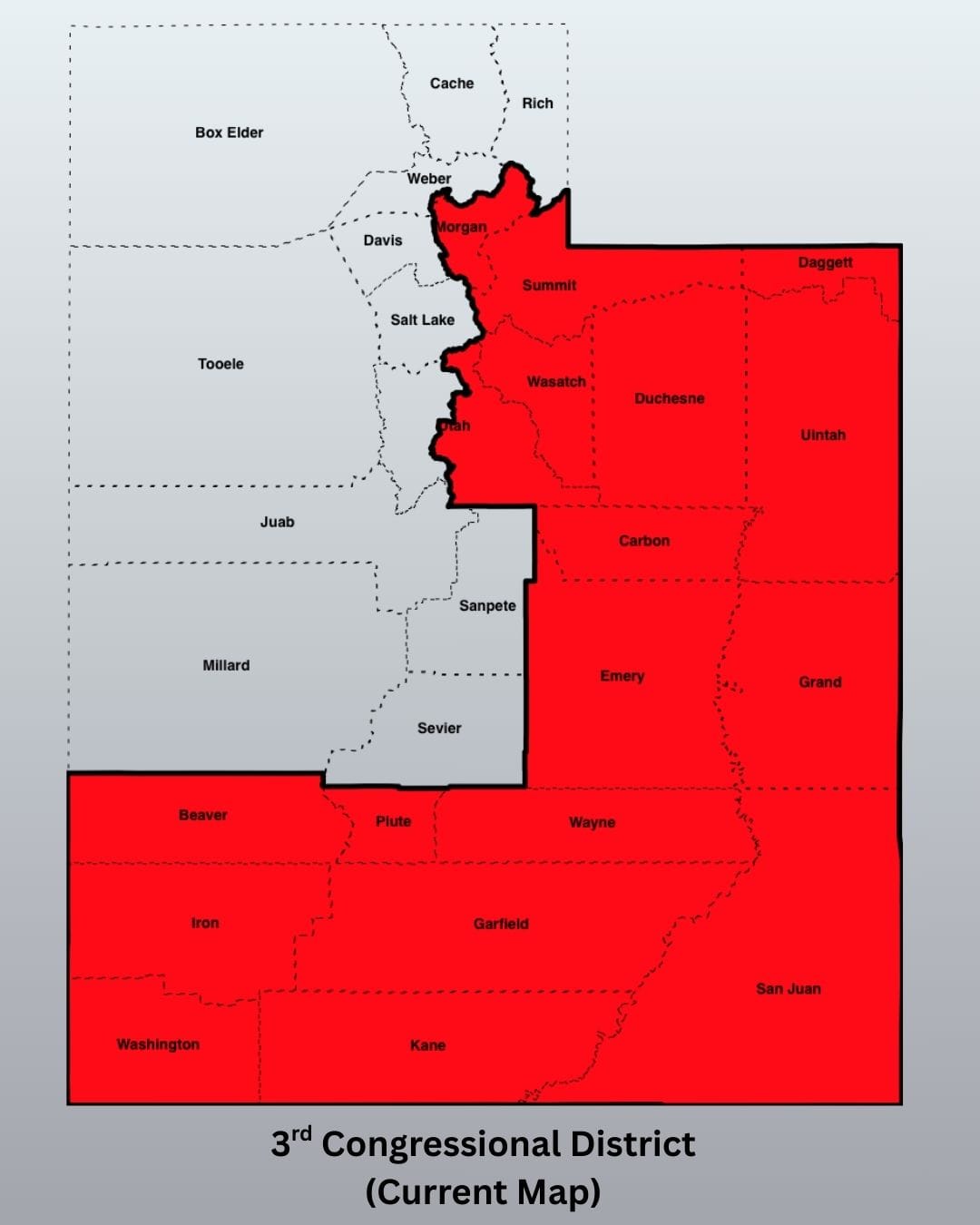
The new congressional map changes the dynamics of the race. It sheds chunks of the Wasatch Front and counties along the western side of the state (say goodbye to parts of Salt Lake, Davis, Millard, Juab and Tooele). The new boundaries stretches east into the Uintah basin, adding San Juan, Grand, Emery, Carbon, Uintah, Daggett, Duchesne, plus Wasatch, Summit, Morgan and parts of Utah and Weber.
Maloy has leaned hard on her “rural roots”—she’s the only member of Utah’s delegation from rural Utah. But Lyman, from Blanding, can make the same claim and neutralize that pitch to voters.
She’s also built her brand on public lands fights, promising to check “federal overreach.” Lyman actually one-ups her there. He’s one of the state’s loudest critics of federal land management and argues Washington’s control of Utah land is unconstitutional.
Both candidates have strong ties to President Donald Trump. Trump gave Maloy his “Complete and Total Endorsement” before the 2024 GOP primary election, which likely helped her campaign fend off a strong challenge from Jenkins.
Trump has never endorsed Lyman, but he has something he touts as even better: Trump pardoned him in 2020 for his conviction over that 2014 ATV protest ride through Recapture Canyon, and Lyman brandished the pardon as a proxy for Trump’s blessing in his governor run.



Comments